
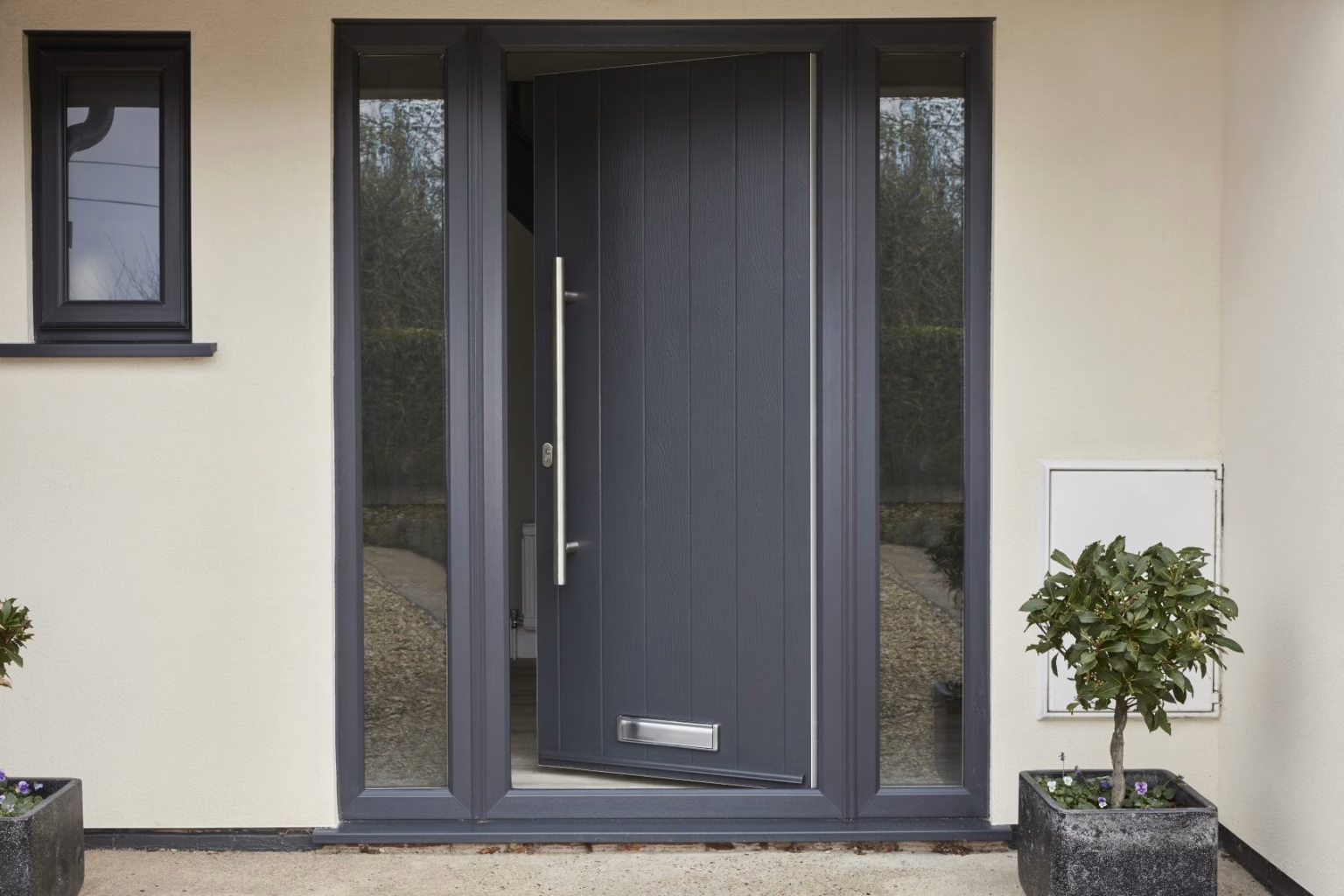
Energy efficiency has never been a hotter topic than right now. Homeowners all over the country are scrambling for ways to get more out of their energy bills in response to the seemingly endless energy crisis, along with personal commitments to environmental efforts. One of the most significant elements of energy efficiency is a home’s insulation, which can be, significantly improved by installing a quality, energy-efficient front door.
In the UK, energy-efficient front doors have been standard for building regulations as of 1999, with 2026 standards guided by U-values. U-values measure heat loss, meaning the lower the number, the better the insulation of the door. Replacing doors in existing homes generally has to achieve a U-value of 1.4 W/m²K or better yet comply with Part L of the Building Regulations.
This article will explore the materials and design choices that are found on the best energy-efficient front doors, so you can feel more confident when shopping for a new entryway.
The best materials for energy-efficient front doors
Some materials are far more likely to make a front door energy efficient, which is vital to keep in mind when browsing your options. These are going to be materials that are effective in terms of thermal bridging and heat retention.
- Composite front doors. Composite doors are, largely known as the most energy-efficient options in the average modern home. They generally use a thick insulating core of foam or timber, wrapped in GRP, resulting in U-values as low as 1.1-1.4 or even a fair bit lower.
- Aluminium front doors. Modern aluminium doors often feature thermal break barriers inside their frames, preventing cold from making its way through. The high-end models can have U-values as low as 0.9-1.2.
- Engineered timber doors. Solid wood is, a pretty effective natural insulator, while engineered timber that’s been glued together in layers can further the airtight nature of the doors. These U-values generally sit around 1.2-1.4.
- uPVC front doors. Standard uPVC doors are generally less efficient than composite or timber doors but they can be effective if they feature multi-chambered frames for insulation.
Make sure to be conscious of these materials when shopping around for your new front door.
Design features of energy-efficient front doors
The most energy-efficient front door won’t be, defined solely by the materials. It also needs to be, supported by high-quality design elements.
- Thick insulated cores or slabs will significantly reduce U-values.
- Double or even triple glazing on glass panels will offer a significant jump in performance, while also benefiting soundproofing.
- Double or triple rebates, meaning the door has additional seals and points of contact, making it harder for draughts to whistle through.
- Low-emissivity coating on glass will help to reflect heat back into the room, rather than letting it escape through the glass.
These are some core design features that will make doors more energy efficient, while it’s also worth checking for certifications like FENSA, CERTASS and PAS 24. The best doors will advertise what they do well, so make sure to keep an eye out when considering a new installation.
Being conscious of your area
If you live in a conservation area, the most energy-efficient door materials might be, banned or unsuitable for your property. It’s worth getting in touch with your local planning officer to make sure that you’re getting the best option within the parameters available to you.
Choose the right door provider
The best energy-efficient front doors will come from quality providers with strong reputations among homeowners. Make sure to do your due diligence into companies before you invest, as the door will be paying for itself in the next few years.
